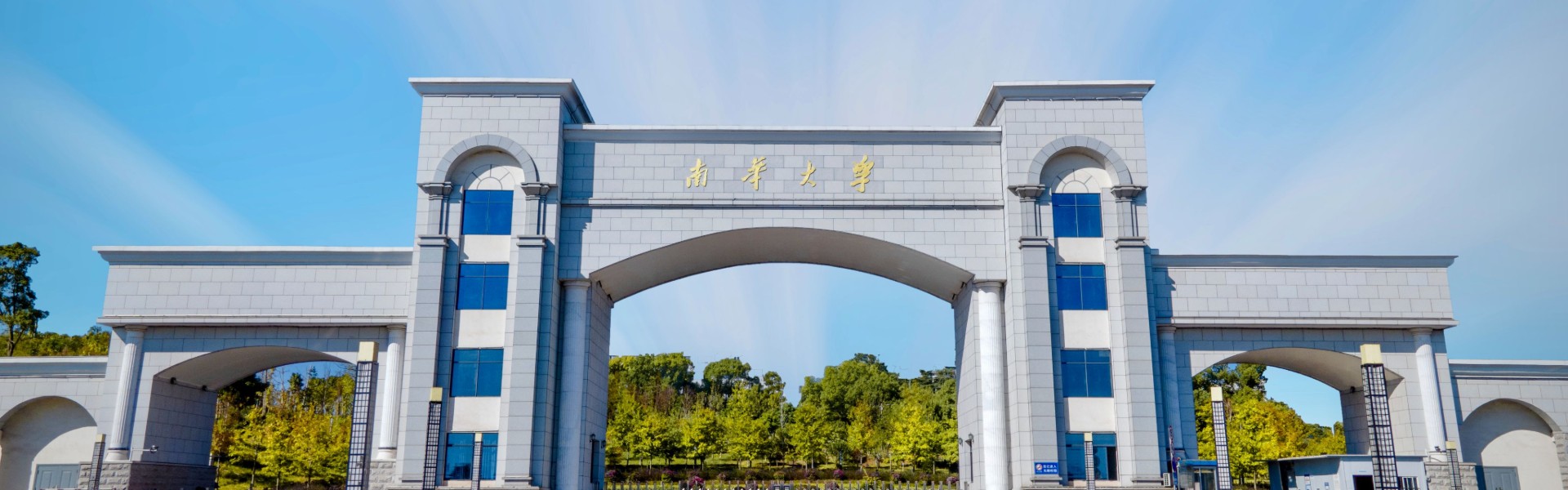
From October 15 to 18, the final round of the 19th National Undergraduate Structural Design Competition was held at Inner Mongolia University of Science and Technology. A total of 123 teams from 122 universities, including Tsinghua University, Zhejiang University, and Shanghai Jiao Tong University, competed in the finals.
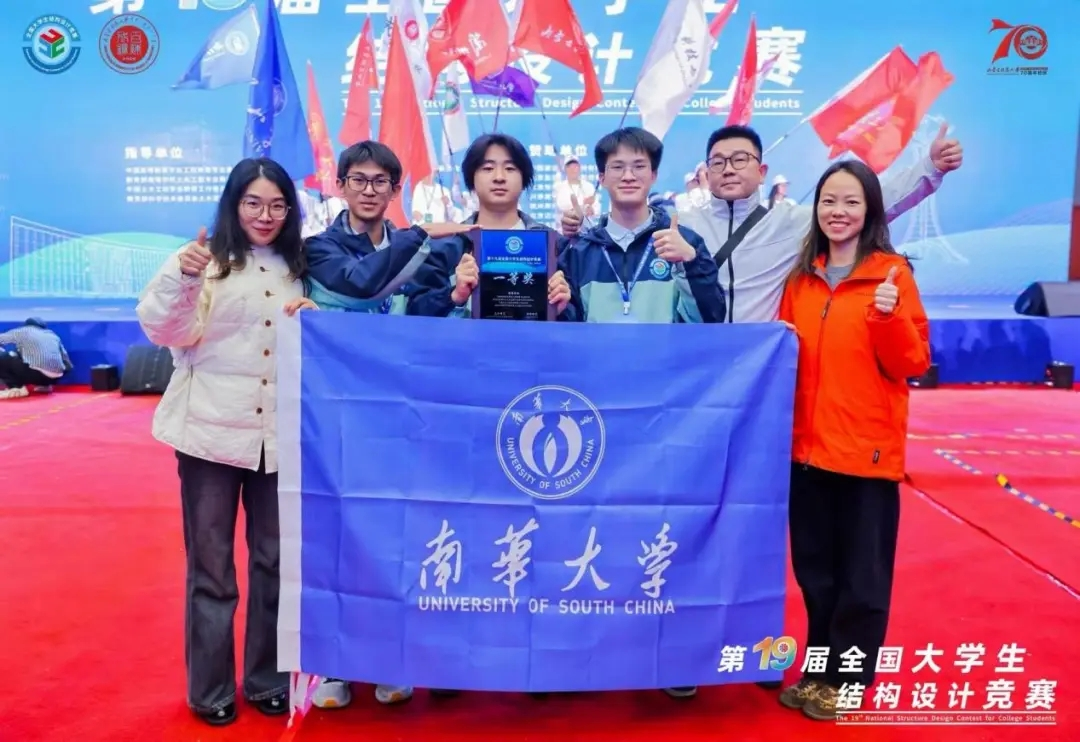
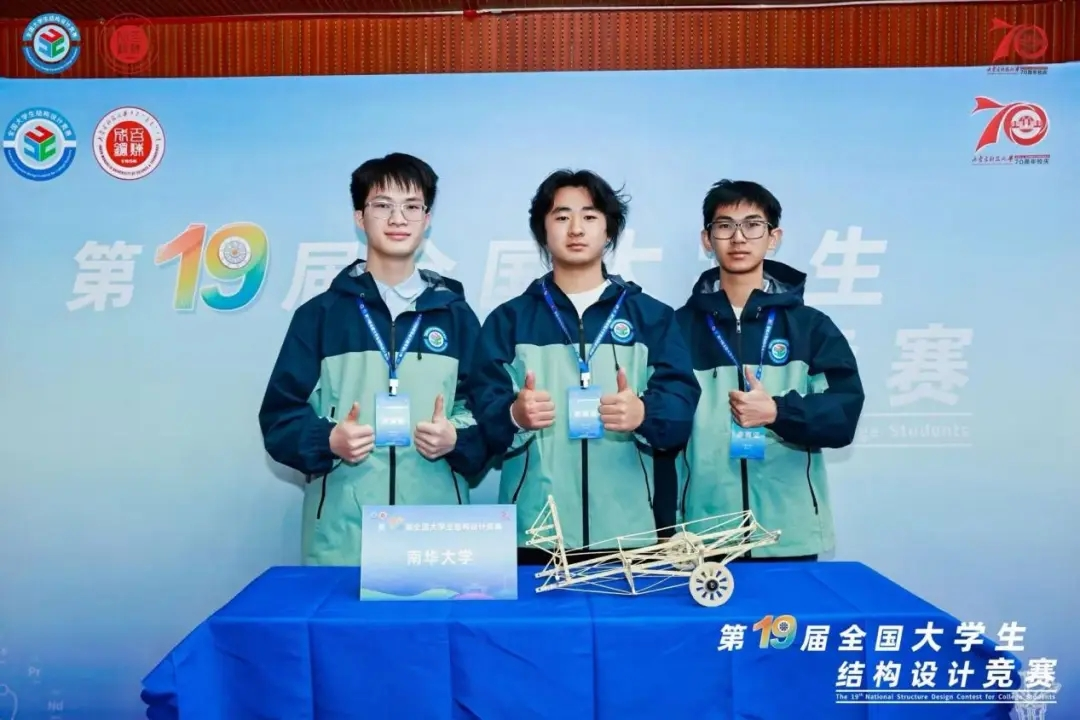
The University of South China team, composed of students Zhang Shengwen, Chen Jianfei, and Du Liao, and guided by faculty members Wu Qiongfang, Peng Chusi, and Tao Qiuwang, won the first prize in the national final with their work Yanlu Heming.
The National Undergraduate Structural Design Competition is one of the first nine national undergraduate academic competitions supported by the Ministry of Education. It is guided by the Professional Committee of Engineering Education of the China Association of Higher Education and other organizations, and organized by the National Organizing Committee of the Undergraduate Structural Design Competition. As one of the most prestigious comprehensive academic competitions in civil engineering in China, it aims to encourage students to apply professional knowledge in an integrated manner and to develop innovative thinking, practical ability, and teamwork. The competition consists of provincial preliminary rounds and a national final.
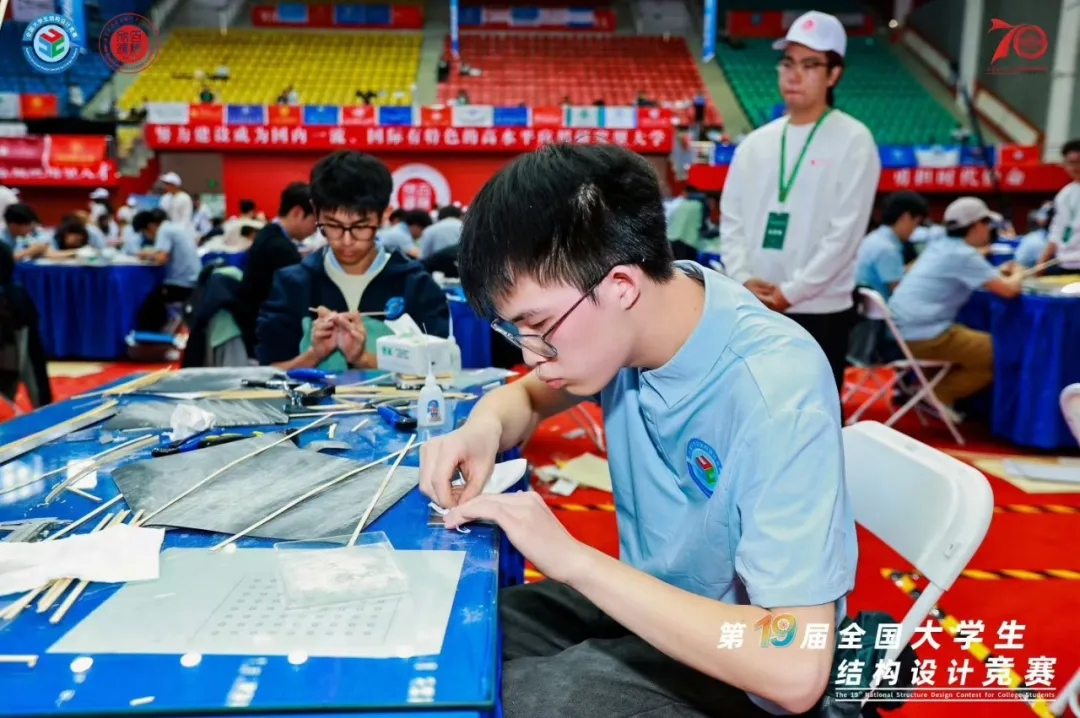
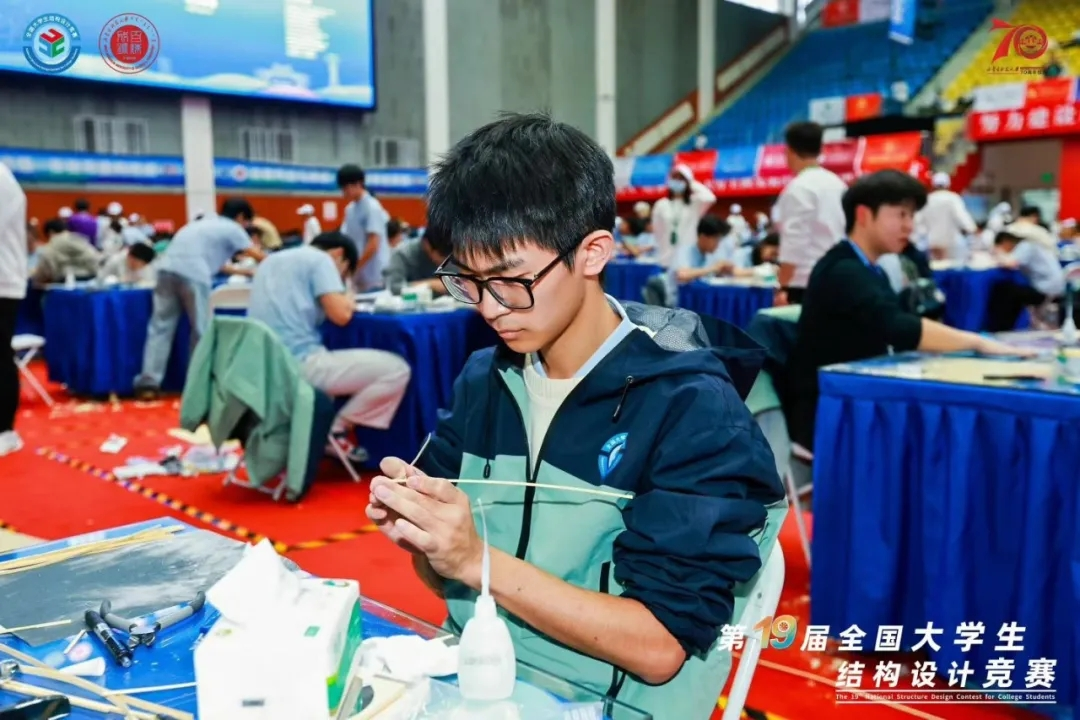
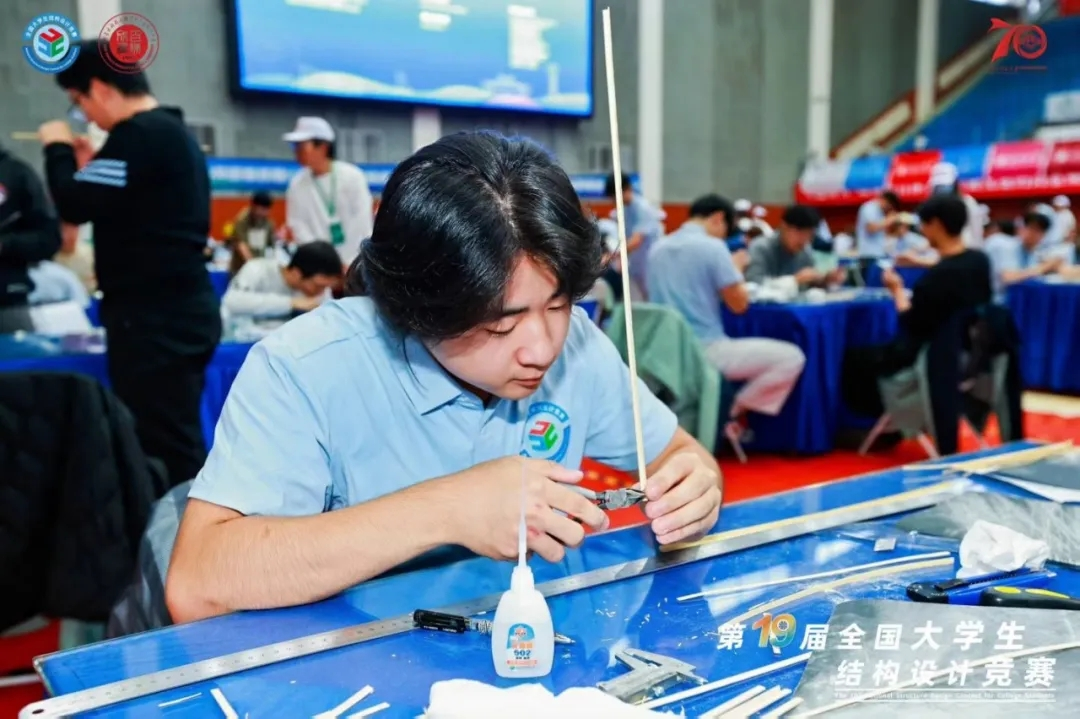
The Hunan provincial preliminary round was held from May 22 to 24, with 95 teams from 33 universities across the province. The University of South China sent four teams, all of which won awards. The teams led by Liu Ruchu, Du Liao, and Zhang Hongyu with their work Braces, and by Zhang Shengwen, Chen Jianfei, and Zhang Kai with their work Em Dash, each won a first prize in the provincial competition. The teams led by Zeng Xiang, Yao Maotang, and Guo Haoran with their work Exclamation Mark, and by Liu Bingxi, Xiong Baoyan, and Zhu Haolin with their work Tilde, each won a third prize. The university was awarded the Excellent Organization Award and advanced to the national final in first place in Hunan Province.
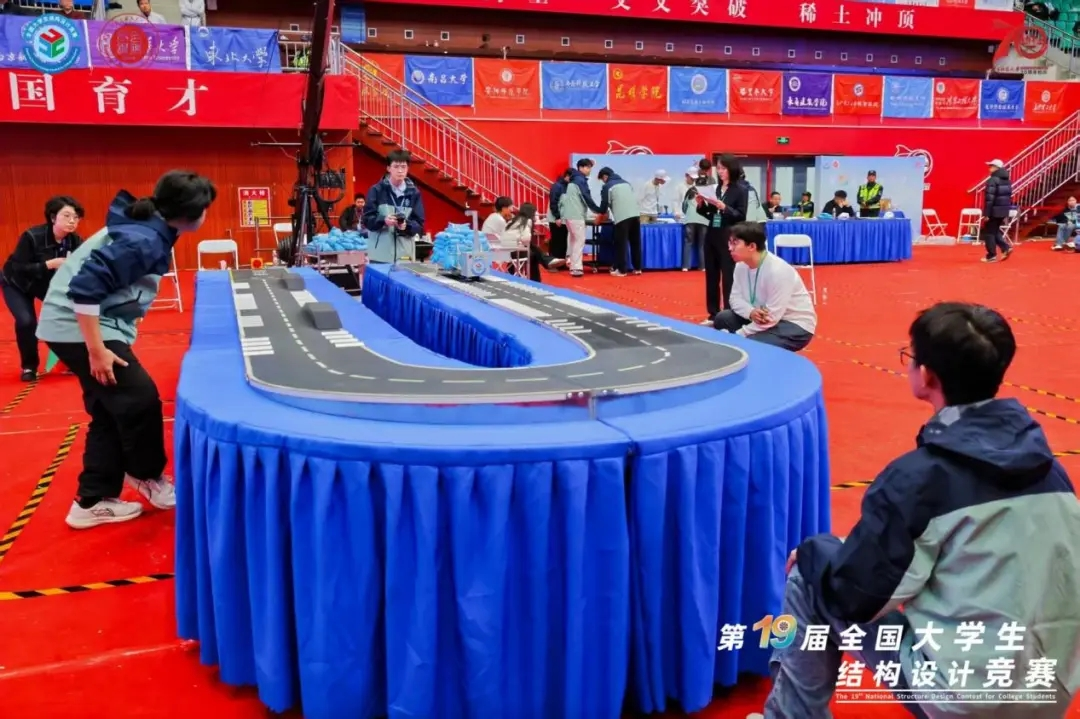
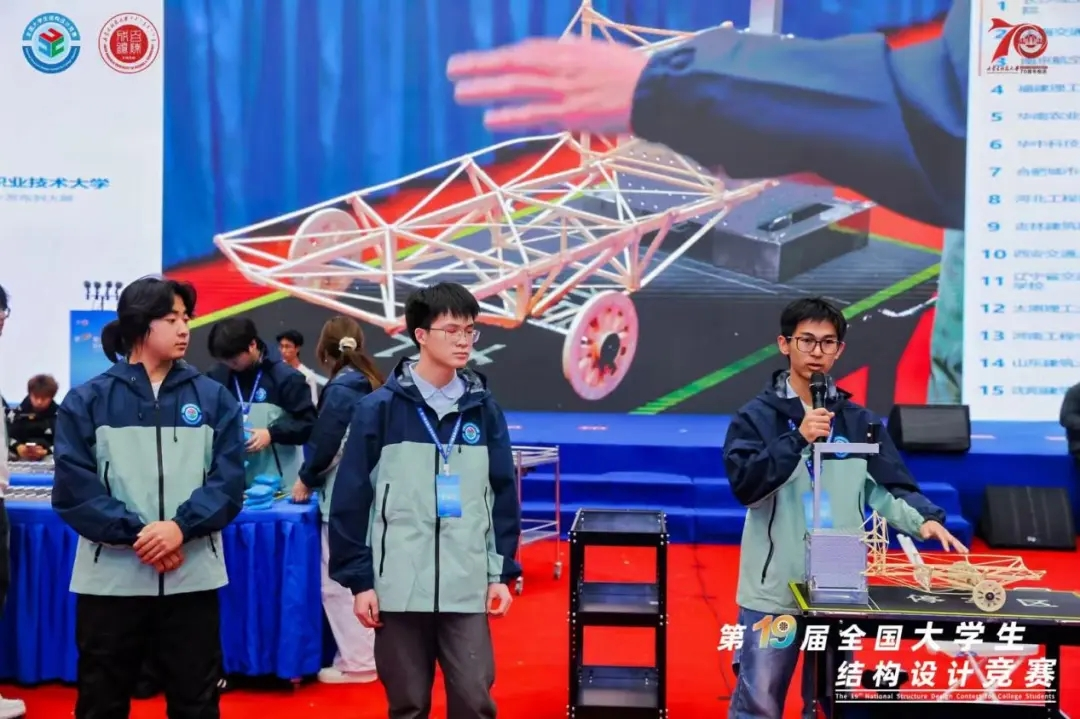
The national final challenged teams with the theme “Structural Design and Fabrication of a Lele Cart Model.” Participants were required to complete a freight transportation task using a motorized cart to pull a Lele cart model. The models had to pass through a complex course including slopes, curves, speed bumps, and single bridges, testing each team’s mechanical analysis, multi-objective optimization, and on-site decision-making abilities. The competition included five evaluation stages: model design, component fabrication, expert review, defense presentation, and on-site loading, placing high demands on design rationality, structural stability, and fabrication precision.
From the campus selection and provincial preliminary round to the national final, the School of Civil Engineering, the Academic Affairs Department, and the School of Innovation and Entrepreneurship at the University of South China spent more than half a year preparing. The 18th University of South China Structural Design Competition was held on April 12. A total of 74 teams registered for the campus selection. After multiple rounds of screening, 16 teams and then 8 teams were selected, and four teams were ultimately chosen to represent the university in the provincial competition. Faculty and students balanced teaching and study commitments, using evenings and spare time for discussions, simulation calculations, and model tests to continuously optimize their structural designs. The participating teams developed a standardized preparation process, including software-based computational design, classified component forms, drawing-based model fabrication, and procedural loading tests, to ensure stable and reliable structural solutions.
This achievement reflects the university’s ongoing efforts to improve the educational model of “promoting learning, teaching, and innovation through competitions.” Going forward, the university will continue to build high-level academic competition platforms, encourage students to integrate their innovative enthusiasm into practices that serve local development and industrial advancement, and strive to cultivate more high-quality talents with both social responsibility and strong professional capabilities.